


When I was young, speaking about what I felt was never easy. Words did not always come naturally, and expressing emotions through conversation often felt limited. Very early in life I discovered another language, one made of feelings, images and sensations rather than sentences.
Cinema played a decisive role in that discovery. During my childhood and teenage years I watched countless films. Of course the images were powerful, but what stayed with me the most was always the music. Film scores have a unique ability. They can carry an emotion instantly, suggest a story, or create tension without a single word being spoken.
That is where my connection with cinematic music truly began.
Today, as a composer of cinematic instrumental music, I remain convinced that a piece capable of evoking a scene, an atmosphere or a situation can communicate far more deeply than music designed simply to support lyrics. Instrumental music has a direct path to the imagination. It allows the listener to feel first and understand later.
Composing cinematic music feels very close to directing a film that has not yet been shot. When I begin writing, I rarely think of a piece as just a melody or a structure. I imagine a scene. Sometimes it begins with a small idea, almost like the synopsis of a story. I might imagine an action sequence, a quiet moment of solitude, a dramatic tension or the atmosphere of a psychological thriller.
From there the music starts to grow naturally. Instruments become characters. Sound textures become environments. The evolution of the music follows the evolution of the scene itself.
This is also why some of my compositions are longer than the format people are used to hearing. A scene does not always resolve in two or three minutes. When a musical story needs space to breathe, I prefer to let it unfold naturally rather than compressing the emotion.
One of the most fascinating aspects of cinematic music is its ability to create images inside the listener’s mind. Orchestration, harmonies, electronic textures and dynamics all work together to shape a mental landscape. Sometimes listeners imagine a film they have already seen. Sometimes they imagine a story that does not exist anywhere except in their own imagination.
It might become a fantastical landscape, a tense action sequence, a dramatic encounter, a mysterious atmosphere or even a romantic moment suspended in time.
Cinematic music opens a vast space for imagination.
On a more personal level, composing music is also the most honest way I know to express emotion. I tend to keep deep feelings private in everyday life. Music allows those emotions to exist freely. Through composition it becomes possible to explore joy, nostalgia, loss, wonder or uncertainty in a way that feels authentic.
I may not be someone who can write a powerful text in only a few lines, but I can compose a piece that lasts several minutes to express what grief feels like, what solitude means, or how a memory can shape an emotion.
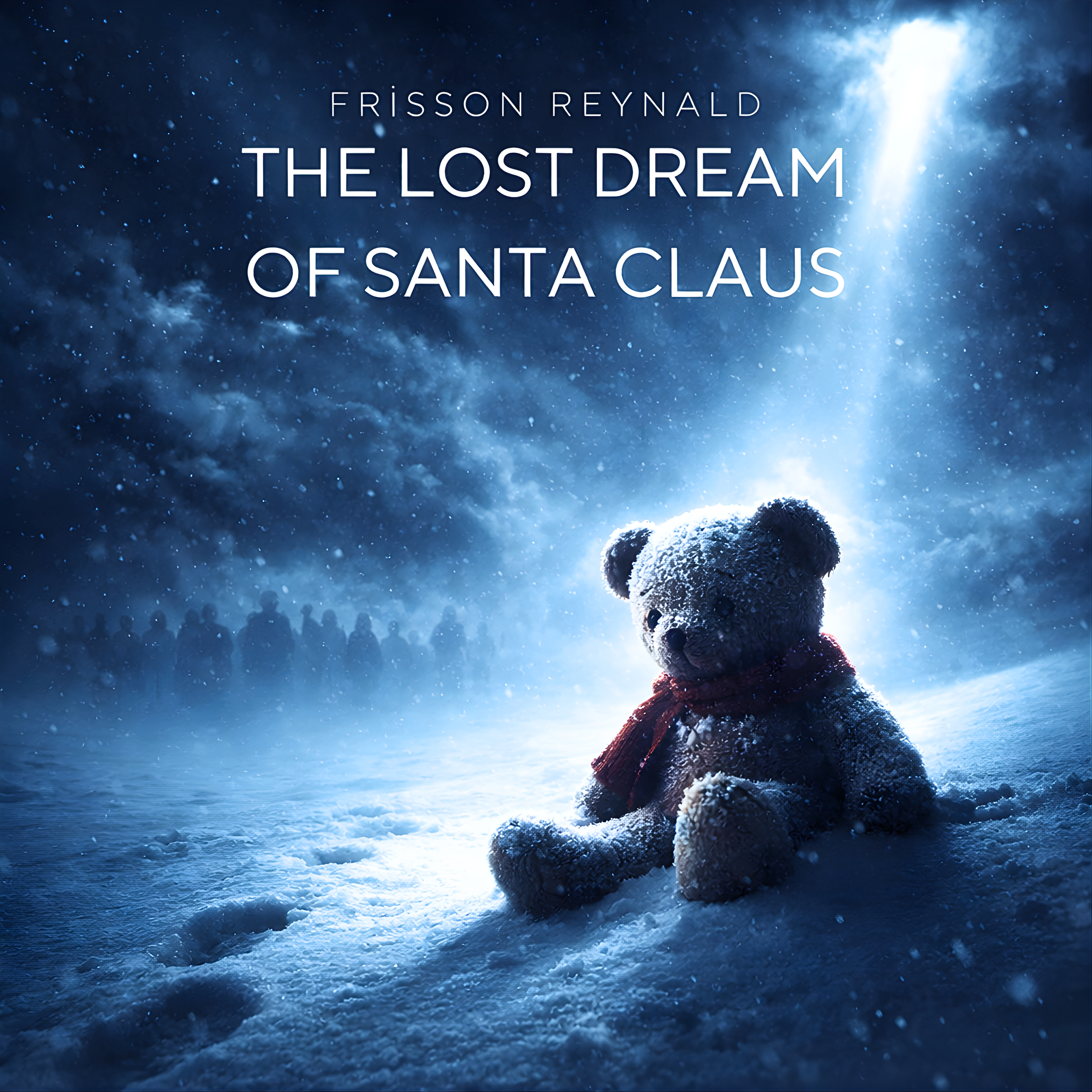
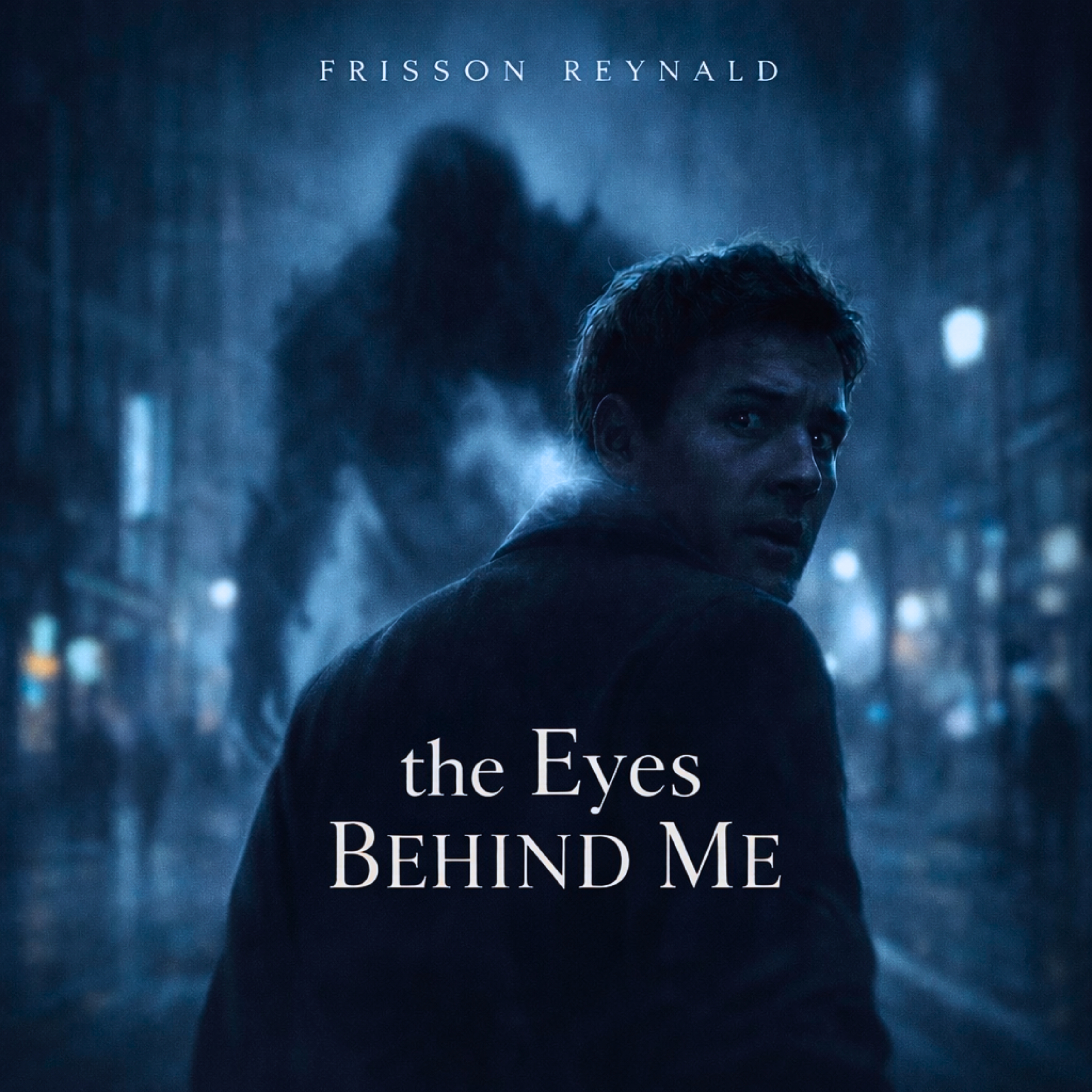
Some pieces are born from that intention. One example is The Last Dream of Santa Claus, a composition built around the metaphor of an abandoned toy, reflecting the quiet loneliness experienced by many orphaned children.
In moments like this, music becomes something more than sound. It becomes a language of emotion.
There are many different musical styles in the world, from pop and folk to metal and traditional music. Each has its own beauty. Cinematic music, however, offers a unique dimension. It is not only meant to be heard. It is meant to be imagined.
Every listener can construct their own story from the same piece of music. Images appear differently in each mind, emotions move in different directions, and each person travels through a unique inner landscape.
If I had to choose only one musical path to follow, it would be this one. Cinematic music offers complete creative freedom and a depth of emotional expression that I rarely encounter anywhere else.
If this musical universe speaks to you, I invite you to explore my compositions. Each piece is conceived as an open door into a possible world.
Or sometimes even a lighter situation.
Cinematic music never imposes a single story.
It simply creates a space where everyone can imagine their own.